The pages Google showed first for this search on November 25, 2026 explain where watch night comes from. This guide does that too, with the sources linked, and then helps you plan yours: an order of service you can adapt, ideas, and a timeline from now to the first Sunday of the year.
Ruah Creative House is a purpose-driven creative studio at 30 Union St. Suite 7 in Elizabeth, New Jersey. We film and edit for churches, and churches anywhere in the US send us their files. A watch night service is worth sharing with the people who could not be there, so the last section covers recording it.
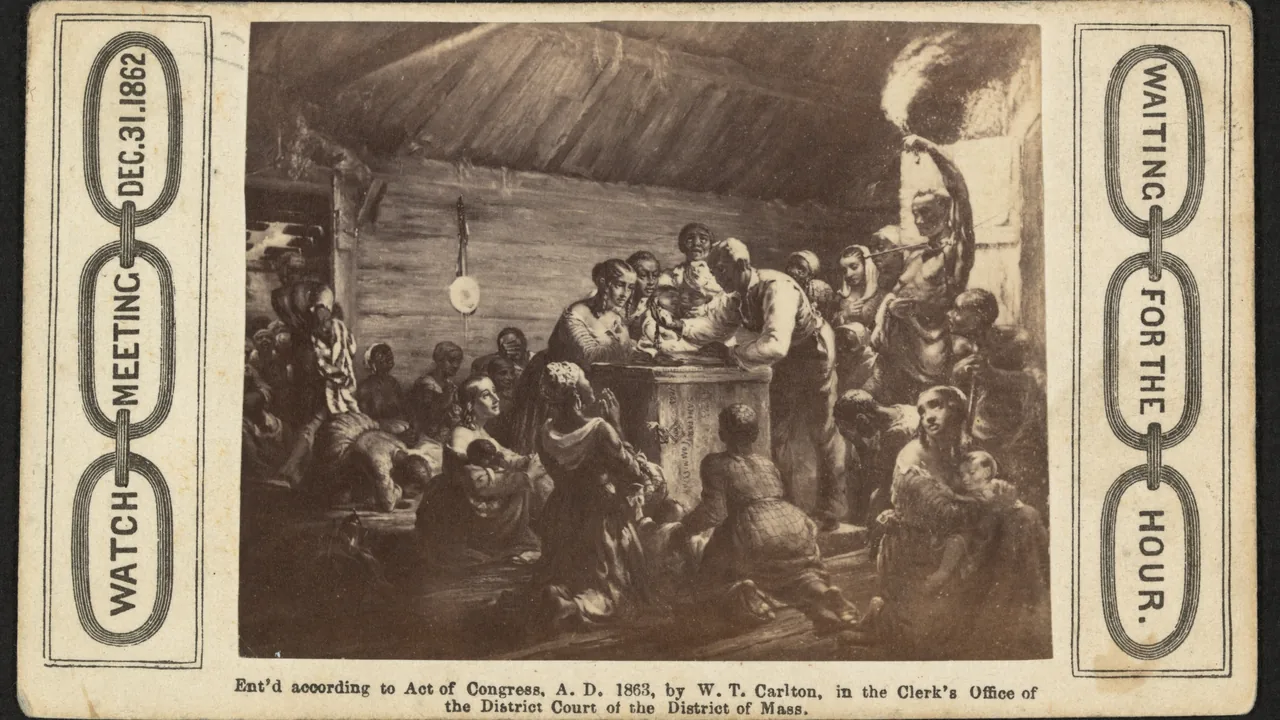
Watch Night 2026 at a Glance
The date
Thursday, December 31, 2026. New Year's Day is Friday, January 1, 2027, and the first Sunday of the year is January 3, 2027.
The hours
It usually begins between 7 and 10 p.m. and concludes a little after midnight (Converge). The Smithsonian's National Museum of African American History and Culture says it typically begins around 7 p.m. and lasts through midnight.
Also called
Freedom's Eve, after the night of December 31, 1862 (the Smithsonian's museum; United Methodist Communications). John Wesley, who began the Methodist watch night, sometimes called them Covenant Renewal services (ResourceUMC).
What happens
Singing, spontaneous prayers and testimonies, and readings. There may be preaching or not, and the service may conclude with a candlelight procession (ResourceUMC).
At midnight
Many congregants bow in prayer minutes before midnight and sing “Watchman, watchman please tell me the hour of the night,” and the minister answers with the time (the Smithsonian's museum).
Afterward
A meal on New Year's Day, often with collard greens and Hoppin' John (the Smithsonian's museum).
What a Watch Night Service Is
A watch night service is worship on the last night of the year. The church gathers in the evening of December 31 and stays together past midnight, so the new year begins in prayer. United Methodist Communications says these services are still widely held on New Year's Eve in many Christian traditions.
Two histories meet in the watch night service:
- Freedom's Eve. The night of December 31, 1862, when African Americans waited for the Emancipation Proclamation to take effect.
- The Methodist watch night.John Wesley's service of prayer and covenant renewal, from the mid-18th century.
The Smithsonian's National Museum of African American History and Culture describes the meaning today: Watch Night “is an annual New Year's Eve tradition that includes the memory of slavery and freedom, reflections on faith, and celebration of community and strength.”
Freedom's Eve: December 31, 1862
On September 22, 1862, President Abraham Lincoln issued a preliminary Emancipation Proclamation. It said that on January 1, 1863, enslaved people in the states then in rebellion would be free. On the night of December 31, 1862, enslaved and free African Americans gathered, many in secret, to ring in the new year and wait for the news. Converge describes crowds gathered in churches and private homes, along with some white abolitionists. The night became known as Watch Night, or Freedom's Eve.
Gathering to worship was itself a risk. The Smithsonian's museum quotes the 1848 Georgia Slave Code, which barred people of color from preaching, exhorting or joining in any religious exercise when more than seven people of color were present, and describes enslaved people meeting in secret in the woods, in what became known as hush harbors.
The end of the year carried its own fear. Rev. Cynthia Wilson, an Atlanta-based worship leader quoted by ResourceUMC, explained that at the end of the year enslavers tallied their property and often sold enslaved people to pay debts: “They didn't know after tallying if they'd be separated.” New Year's Eve was often the last night a family would be together.
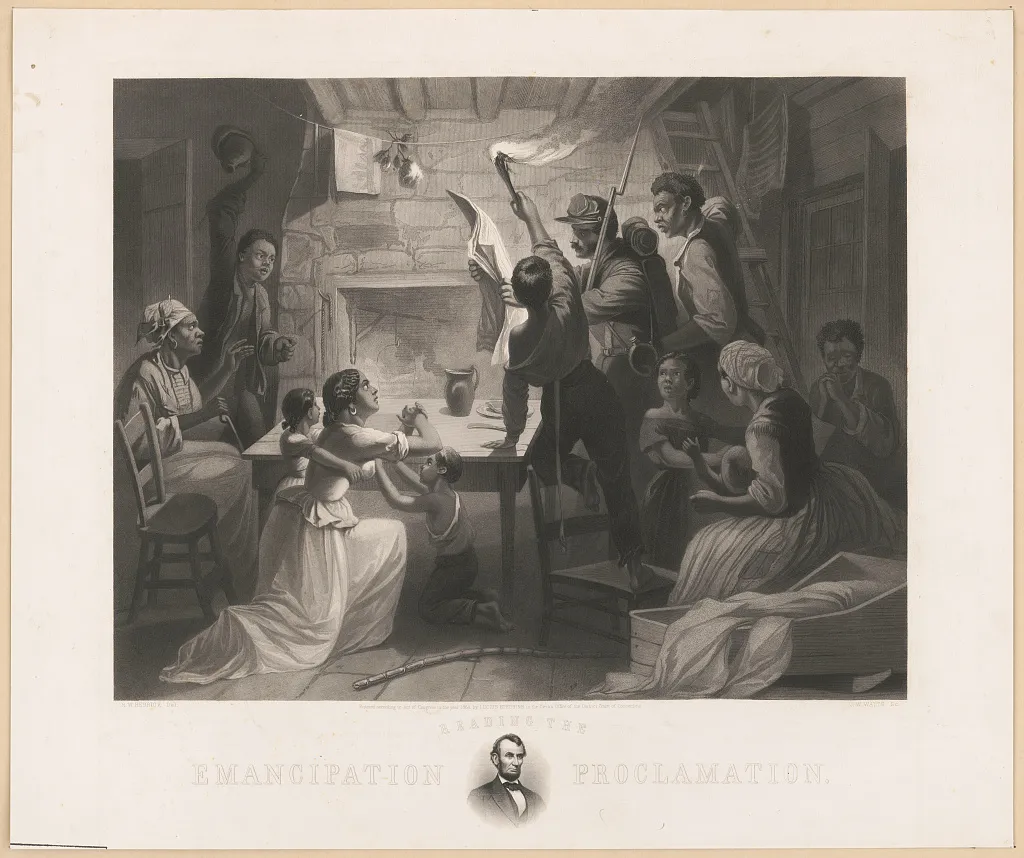
Lincoln issued the Emancipation Proclamation on January 1, 1863. The National Archives notes its limits: it applied only to states that had seceded, it did not end slavery in the nation, and the freedom it promised depended on Union military victory. It still transformed the character of the war, and many Black churches still keep the night of waiting for it.
The Methodist Root: Covenant Renewal
United Methodist Communications says John Wesley, the founder of Methodism, first celebrated a covenant renewal as a “Watch Night” service in 1755, using words written earlier by Richard Alleine, an English Puritan. At first the term meant a gathering for prayer that could last well into the night, and it was not used only for New Year's Eve. Methodists held these services several times a year, and over time they settled on the night of December 31.
The order is still in The United Methodist Book of Worship, under a title that names the night itself: “An Order of Worship for Such as Would Enter Into or Renew Their Covenant with God—For Use in a Watch Night Service, on the First Sunday of the Year, or Other Occasion.” Charles Wesley wrote the hymn “Come, Let Us Use the Grace Divine” for it.
Where the covenant fits in your plan
- As part of the watch night service itself (in our sample order, just after midnight).
- On New Year's Day, Friday, January 1, 2027.
- On the first Sunday in January, which in 2027 is January 3.
United Methodist Communications lists all three, and other times of the year too.
A Sample Order of Service
This is our suggestion for a service that starts at 9 p.m., built from the parts the sources above describe. Move every time to fit your church; the last half hour is the part to keep.
- 9:00 p.m.
Welcome and opening song
Say why the church is here tonight: to give thanks for the year that is ending and to meet the new one in prayer.
- 9:10 p.m.
Praise and worship
A longer set than a Sunday morning. The night has room for it.
- 9:40 p.m.
Scripture reading
A passage about time and God's faithfulness, such as Psalm 90 or Lamentations 3:22-23.
- 9:50 p.m.
Testimonies of the year
Four or five people, asked ahead of time, three minutes each, on how God carried them through the year.
- 10:30 p.m.
The message
A sermon that looks back and looks ahead. If your church does not preach on this night, give the time to prayer.
- 11:15 p.m.
Remembering Freedom's Eve
Read the account of December 31, 1862, and name what it means for your congregation now.
- 11:30 p.m.
Prayer for the new year
Kneeling or standing, by families, by ministries, or as one body.
- 11:57 p.m.
“Watchman, watchman”
The call and response into midnight, with the minister announcing the time.
- 12:00 a.m.
Midnight
“It is now midnight, freedom has come.” Then celebration.
- 12:05 a.m.
Covenant renewal or communion, and the benediction
Send people into the year with a blessing.
For a church that starts at 7 p.m., add a family hour at the beginning, with songs the children know, so families with young children can join before they go home. Converge notes that for many people the watch night service is the first event of the evening before they go out to celebrate, and for others it is the only one.
Ideas for Your Watch Night
Eight ideas. Six come from the traditions in the sources; two are our own and say so.
Testimonies of the year
Rev. Cynthia Wilson, an Atlanta-based worship leader quoted by ResourceUMC: “There's a time of testimony and sharing how we've progressed and been blessed.” Our tip: ask your speakers by mid-December so they can prepare.
A Freedom's Eve reading
United Methodist Communications points to The African American Lectionary for resources for Freedom's Eve Watch Night services.
A covenant renewal
The Covenant Renewal service is in The United Methodist Book of Worship (pages 288 to 294). Charles Wesley wrote the hymn “Come, Let Us Use the Grace Divine” for it.
A candlelight procession
ResourceUMC says the service may conclude with a candlelight procession from the church.
A prayer vigil until dawn
In the same tradition, volunteers may take turns continuing quiet prayer in the sanctuary until dawn (ResourceUMC). Our tip: post a sign-up sheet with half-hour slots.
Written prayers for the new year (our suggestion)
Hand out cards at the door. Each person writes one prayer for the year ahead and lays it at the altar during the 11:30 prayer.
A year in pictures (our suggestion)
A three-minute video of the church's year, played before the message: baptisms, outreach days, new members, the moments people will remember.
The New Year's Day meal
Collard greens for prosperity and Hoppin' John for good fortune are the foods the Smithsonian's museum names. Our tip: serve them after the service or at a gathering on January 1.
Planning the season around it? Christmas Eve service ideas covers the service a week earlier, and Vision Sunday ideas covers the first Sunday of the year.
A Planning Timeline
Our suggested timeline from this week to the first Sunday of 2027:
By Sunday, November 29
Set the start time and the order of service. Make the first announcement; our church announcements guide suggests announcing a watch night service from late November.
Sundays, December 6 and 13
Confirm the testimony speakers, the worship set, the reader for Freedom's Eve, and the person who answers the watchman's call.
Sunday, December 20
Announce it from the pulpit, on social media and in the newsletter, with the start time and where to watch online.
Week of December 28
Rehearse the last half hour against a clock everyone can see. If you stream, run a full test at the same hour of night.
Thursday, December 31
The service. Start the recording before the first song and let it run past the benediction.
Sunday, January 3, 2027
The first Sunday of the year: share the midnight moment and the testimonies, and point people to what the church plans for the year.
Wording for the announcement is in our church announcements guide, which includes a sample for a New Year's Eve watch night service.
Streaming and Recording the Night
A service that ends after midnight leaves some members at home: older members who do not drive at night, families with small children, people who are working. A stream lets them pray with the church, and a recording gives the whole church the night again in January.
- Start recording before the first song and keep it running past the benediction. The moments people want later, the testimonies and midnight, cannot be planned to the minute.
- Frame a wide shot of the room for the last ten minutes, so midnight shows the whole congregation and not only the pulpit.
- Take the sound from the sound board as well as the camera, so the call and response is clear.
- Ask testimony speakers before the service whether they agree to be streamed and shared.
- Run a full test at the same hour of night in the week before, with the lights you will use.
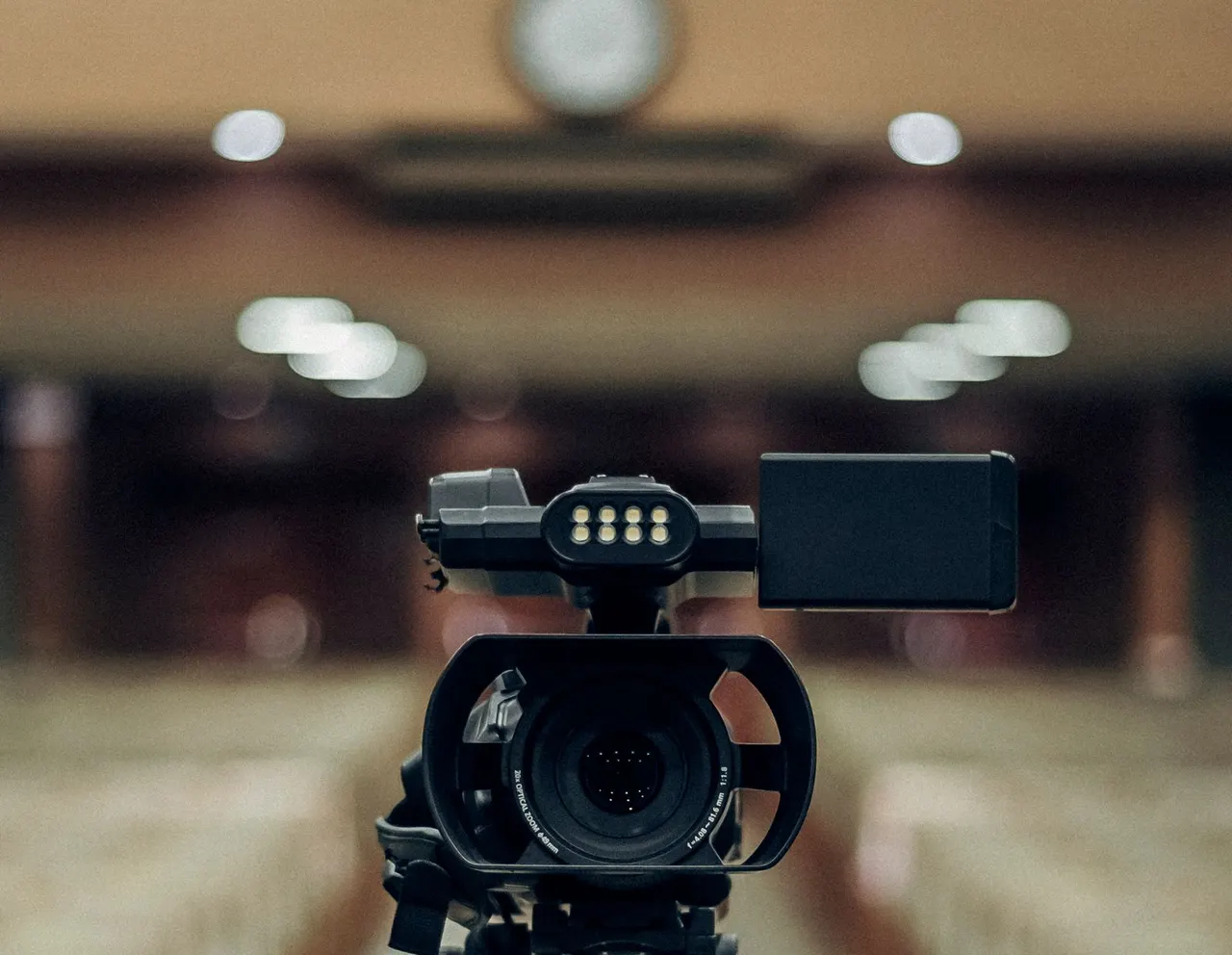
For the setup itself, our guides on how to film a church service and church livestream setup cover cameras, audio and lighting.
After midnight: what we do with the recording
Send us the recording and our sermon editing team turns it into what your church shares in January: the full service for YouTube, and clips of the midnight moment, the message and the testimonies in widescreen, vertical and square, with captions. As with every sermon we edit, your editor watches it in full before making a single cut. Our sermon editing page lists finished reels in 1 to 2 days and full-length edits in 3 to 5 days; ask about holiday timing on the call.
If your team would rather not run cameras that night, our church video production crew can come film on site.
Sources
The history and traditions above come from these pages, read on November 25, 2026. The Ruah details come from our own sermon editing and church video production pages. The order of service, the timeline and the ideas marked as ours are our suggestions.
- Smithsonian National Museum of African American History and Culture: The Historical Legacy of Watch NightDecember 31, 1862; Watch Night or “Freedom's Eve”; the 1848 Georgia Slave Code and hush harbors; the service typically begins around 7 p.m. and lasts through midnight; the “Watchman, watchman” call and response; the New Year's Day meal.
- National Archives: The Emancipation ProclamationIssued January 1, 1863; it applied only to states that had seceded, did not end slavery in the nation, and its promise of freedom depended on Union military victory.
- Converge: Watch Night Service has special meaning for African-American Christians (Dr. Harold Lewis, December 31, 2019)The service usually begins between 7 and 10 p.m. and concludes a little after midnight; the preliminary proclamation of September 22, 1862; people gathered in churches and private homes.
- United Methodist Communications: Are Watch Night services connected to John Wesley? (December 19, 2017)Wesley first celebrated a covenant renewal as a “Watch Night” service in 1755; the term first meant a gathering for prayer that could last well into the night; still widely held on New Year's Eve in many Christian traditions; when the Covenant Renewal may be used.
- United Methodist Communications: Watch Night ServiceWesley's first covenant service in 1755, using words written earlier by Richard Alleine; the hymn “Come, Let Us Use the Grace Divine” by Charles Wesley; the order's title in The Book of Worship.
- United Methodist Communications: How may United Methodists observe Jan. 1? (November 5, 2026)Watch Night spread beyond Methodism and became a hallmark of many Black church traditions; The African American Lectionary provides resources for Freedom's Eve Watch Night services.
- ResourceUMC (United Methodist Communications): Watch Night services provide spiritual way to bring in New YearSinging, spontaneous prayers and testimonials, readings, the Covenant Renewal service (Book of Worship pages 288 to 294), preaching or not, a candlelight procession, prayer until dawn; Rev. Cynthia Wilson on testimony and on year-end sales of enslaved people.
- Library of Congress: Watch meeting, Dec. 31, 1862, Waiting for the hour (Heard & Moseley, Boston, 1863)The photograph at the top of this guide. Public domain.
Frequently Asked Questions
Why do African Americans celebrate Watch Night?
Because of Freedom's Eve. On the night of December 31, 1862, enslaved and free African Americans gathered, many in secret, to wait for the news that the Emancipation Proclamation had taken effect at the start of the new year. The Smithsonian's National Museum of African American History and Culture describes Watch Night today as a New Year's Eve tradition that includes the memory of slavery and freedom, reflections on faith, and celebration of community and strength.
What time does a watch night service start?
In the evening of December 31, and it runs past midnight. The Smithsonian's museum says the service typically begins around 7 p.m. and lasts through midnight; Converge says it usually begins between 7 and 10 p.m. and concludes a little after midnight. In 2026, New Year's Eve falls on a Thursday.
What is said at midnight at a watch night service?
The Smithsonian's museum describes it this way: minutes before midnight, many congregants bow in prayer and sing “Watchman, watchman please tell me the hour of the night.” The minister answers with the time: “it is three minutes to midnight,” “it is one minute before the new year,” and “it is now midnight, freedom has come.”
Are watch night services only held in Black churches?
No. United Methodist Communications says Watch Night services are still widely held on New Year's Eve in many Christian traditions. Methodists trace them to John Wesley, and the practice spread beyond Methodism to become a hallmark of many Black church traditions in the United States.
Is a watch night service the same as a covenant renewal service?
They are linked but not the same. United Methodist Communications says John Wesley first celebrated a covenant renewal as a “Watch Night” service in 1755. Today the Service of Covenant Renewal may be part of a watch night service, or it may be used on New Year's Day, on the first Sunday in January, or at other times of the year.
What do people eat after a watch night service?
The service is customarily followed by a meal on New Year's Day. The Smithsonian's museum names collard greens, for the promise of prosperity, and black-eyed peas with rice, known as Hoppin' John, for good fortune, along with candied yams, cornbread, potato salad, and macaroni and cheese. The dishes differ by region and culture.
Ruah Creative House is a purpose-driven creative studio at 30 Union St. Suite 7 in Elizabeth, New Jersey. Eric Muñoz Jr., our founder, was born and raised in Elizabeth, still lives here, and has served the city for years through its schools, nonprofits, churches, and Chamber of Commerce.
See how a service becomes a full edit and clips on our sermon editing page.