The pages that topped Google for this search on November 24, 2026 list tactics. This one is a plan: what to make from each episode, and when to post each piece. It is written for coaches, speakers, pastors and leaders who host a show because they have something to say.
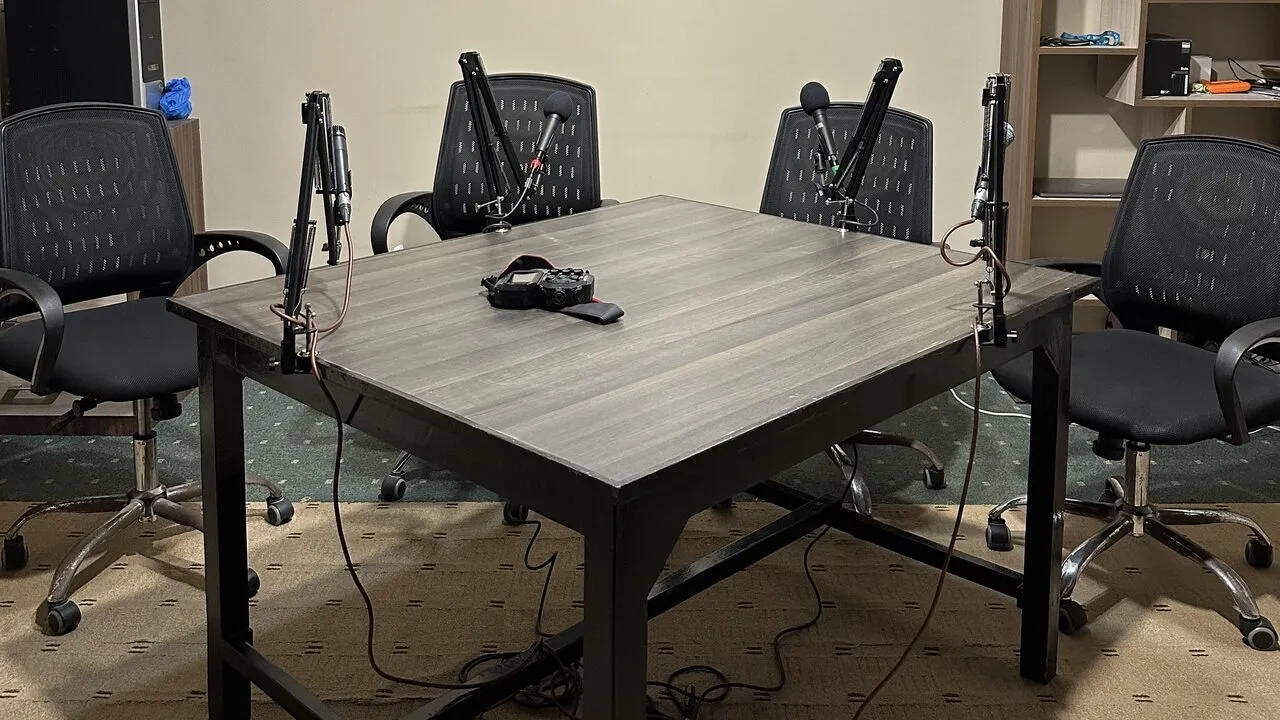
Ruah Creative House is a purpose-driven creative studio at 30 Union St. Suite 7 in Elizabeth, New Jersey. We record, film and edit audio and video podcasts, in our studio or from files hosts send us from across the US. The plan below works whether you do it yourself or hire help.
Why Video Belongs in the Plan
Promotion starts with where people find podcasts now. Four figures shape the plan in this guide:
58%
of Americans age 12 and older had consumed a podcast in the last month, and 45% in the last week. Both were all-time highs. (The Infinite Dial 2026, Edison Research at SSRS, survey of January 2026)
57%
of Americans age 12 and older had both listened to and watched a podcast. (The Infinite Dial 2026)
84%
of Americans age 12 and older use YouTube every month, and 78% every week. (The Infinite Dial 2026)
1 billion+
monthly active viewers of podcast content on YouTube, as of January 2025. YouTube calls itself the most frequently used service for listening to podcasts in the U.S. (YouTube Official Blog, February 26, 2025)
“Video isn't replacing podcast audio. It's expanding the tent,” said Megan Lazovick of Edison Research at SSRS when the study came out. So promote two versions of each episode, one to watch and one to hear, and use short video clips to bring new people to both.
Start With Who It Is For
Spotify's guide for creators puts this first: zero in on the people who will get value from your show because they care about your topics. Every choice after that, from the clips you cut to the platform you post on, follows from it.
Write it in one sentence before you promote anything. “Pastors of small churches who want their Sunday message to reach people during the week” tells you what to clip, where to post and which shows to visit as a guest. “Anyone interested in faith” tells you none of that.
The Launch Checklist
A launch only happens once, so settle these before episode one goes out:
- One sentence on who the show is for and what they get from it.
- A show title and description that use the words those people search for, not only a clever name.
- Cover art. It is the only artwork Apple Podcasts requires to publish a show.
- A short trailer that tells a new listener what the show is about.
- At least three episodes ready for launch day, and more recorded so the first weeks stay on schedule.
- A list of people to tell on launch day: your email list, your community, and your team.
- Clips, images and quotes cut and ready before launch day, not after it.
- A date for every episode in the first month.
On the number of episodes: Buffer, writing about the launch of its own podcast, advises publishing 3 to 5 episodes when you first launch and puts the very minimum at three. Buffer had seven interviews finished before it launched, with three planned for launch day and two for each of the following two weeks.
On the name: Spotify's example is a travel photography show. “Snapshots” is catchy but will not reach people searching for travel photography; “Snapshots: World Travel in Pictures” is more likely to. The same goes for each episode title.
What One Episode Turns Into
A good episode already holds the moments that will make someone stop scrolling. Promotion is mostly the work of finding them and shaping them for each place your listeners are. From one recording, plan these eight pieces:
- 1
The full episode, on video
The version people sit down and watch, on YouTube and on your own site. This is where the clips send people.
- 2
The full episode, in audio
The same episode in the podcast apps, for people who listen on a walk, in the car or at work.
- 3
Short clips of the strongest moments
Each one cut so it makes sense on its own, in the shape each platform uses: vertical for TikTok, Reels and Shorts.
- 4
A quote image or an audiogram
One line from the episode, set in your show's look. Spotify's guide suggests audiograms and behind-the-scenes pictures for Instagram.
- 5
An episode title and description people would search
Spotify's guide says your show and episode titles and descriptions are where you have the most room to add the words people search for.
- 6
Show notes on your website
A page for the episode with what it covers and the best parts of the conversation in writing. Buffer pulls highlighted parts of the transcript into its show notes.
- 7
An email to your list
A short note on why this episode matters, with one link. Spotify's guide calls a newsletter another way to repurpose the episode and get people excited about the next one.
- 8
A kit for your guest
Sent on the day the episode goes live: the link, a clip of their best moment, a quote image and a few lines they can post. Buffer and Spotify both advise making it this easy.
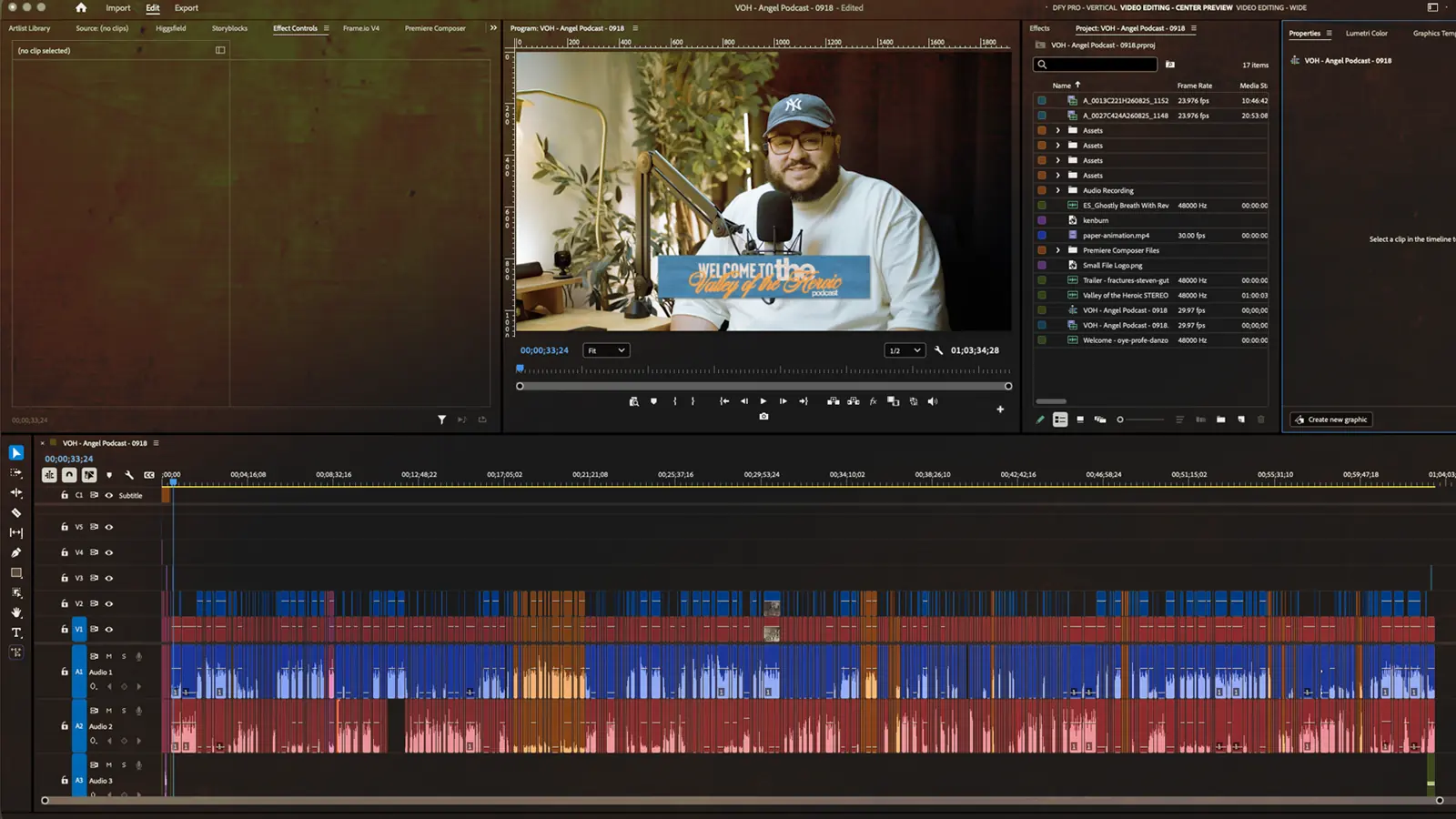
You do not need all eight from day one. Start with the full episode, two or three clips and the email, and add the rest as the routine settles.
The Week After an Episode Goes Out
Posting everything on release day spends the whole episode in one afternoon. Spread it out instead. This is the week we suggest for a weekly show; shift the days to fit yours.
Day 1, release day
The full episode goes out on video and audio. The email goes to your list, and the kit goes to your guest.
Day 2
Your first clip, on the platform where most of your listeners are.
Day 3
A written post where your community talks: LinkedIn, a Facebook group, or your church or member newsletter.
Day 4
Your second clip, on a different moment and, if it fits, a second platform.
Day 5
The quote image or audiogram, or a picture from the recording.
Day 7
Your third clip, pointing back to the full episode. Then look at which clip did best and cut the next episode's clips with that in mind.
Spotify also makes a 30 to 60 second preview of each episode by itself, in audio or video depending on your show, and lets you pick the moment it uses. Choose the same moment as your strongest clip.
YouTube: Two Ways In
YouTube counted more than 1 billion monthly viewers of podcast content as of January 2025, so every show should be there. There are two ways to put it there:
- Upload the video episode. If you record on camera, this is the version people watch, and the clips you post elsewhere can send them to it.
- Deliver the audio show by RSS feed. For audio-only shows. YouTube makes a video of each episode with your show art as a still image, and adds new episodes from the feed by itself.
Before you connect a feed, YouTube's help page says
- Podcast content uploaded this way cannot contain advertisements. Branded content, such as host-read promotions, sponsorships or endorsements, must be declared.
- Episodes from the feed arrive as private videos. YouTube recommends waiting until all of them are uploaded before you make the podcast public, then checking them for copyright or monetization issues.
- The feed puts the show on YouTube and YouTube Music only, and YouTube does not notify subscribers about older episodes added from the feed.
- RSS delivery is available in select countries and regions.
Where to Post, by Who You Want to Reach
You cannot be everywhere every week, so pick the platforms your listeners use. The Infinite Dial 2026 found that platform choice varies sharply by age:
Ages 12 to 34
TikTok is now the most-used social platform in this group, preferred by 29% of them, and Snapchat's audience is overwhelmingly under 35. Lead with vertical clips.
Ages 35 to 54
68% of this group consumed a podcast in the last month, more than the 58% of all Americans 12 and older. X skews male and toward this age group.
Ages 55 and older
Facebook is dominant here; it is the platform 40% of all social media users use most often. Monthly online audio listening in this group jumped from 52% in 2024 to 70% in 2026. For a congregation or a client base that skews older, put the clips and the full episode on Facebook.
Every age
84% of Americans 12 and older use YouTube every month. Whoever your listeners are, the full episode belongs there.
Spotify's guide also suggests LinkedIn, which it describes as less about going viral than about conversation; a LinkedIn newsletter can carry each episode's takeaways. It suits a show for leaders and professionals.
Guests and Other Shows
Every guest brings an audience you do not have yet. Buffer's approach is to send each guest a note on the day the episode goes live with everything they need to share it: quotes, images, links and posts already written. Spotify's guide says the same: give guests promotional graphics so all they have to do is hit publish.
The other direction works too. Appear as a guest on shows in your field, the way a speaker goes on tour. Spotify's advice for choosing partners: creators with similar audiences who are not direct competitors. Swap guest spots, mention each other's shows, or record an episode together.
For a pastor, that might be a ministry leader's show; for a coach, a show their clients already listen to. Bring one clip of yours to send ahead, so the host knows what you sound like on camera.
Do It Yourself or Get Help
Most of this plan costs time rather than money. A host can write the show description, send the email, post the clips and visit other shows alone. What usually stalls a weekly show is the editing: the full episode, then several clips cut to stand on their own, every week.
That is the part we do. Our video podcast production covers:
- The full episode, edited. The whole conversation, cut clean, with the camera angles that catch a host reacting to a guest.
- Short clips from the strongest moments. Cut so they make sense on their own.
- Thumbnails and the look of your show. For a show that has not started yet, Podcast Launch Strategy plans the format and your first 10 topics with you, then builds the cover art, intro and outro, lower thirds, a thumbnail template, the platform setup and a launch plan.
- Publishing, if you want it. We can publish it for you as an add-on.
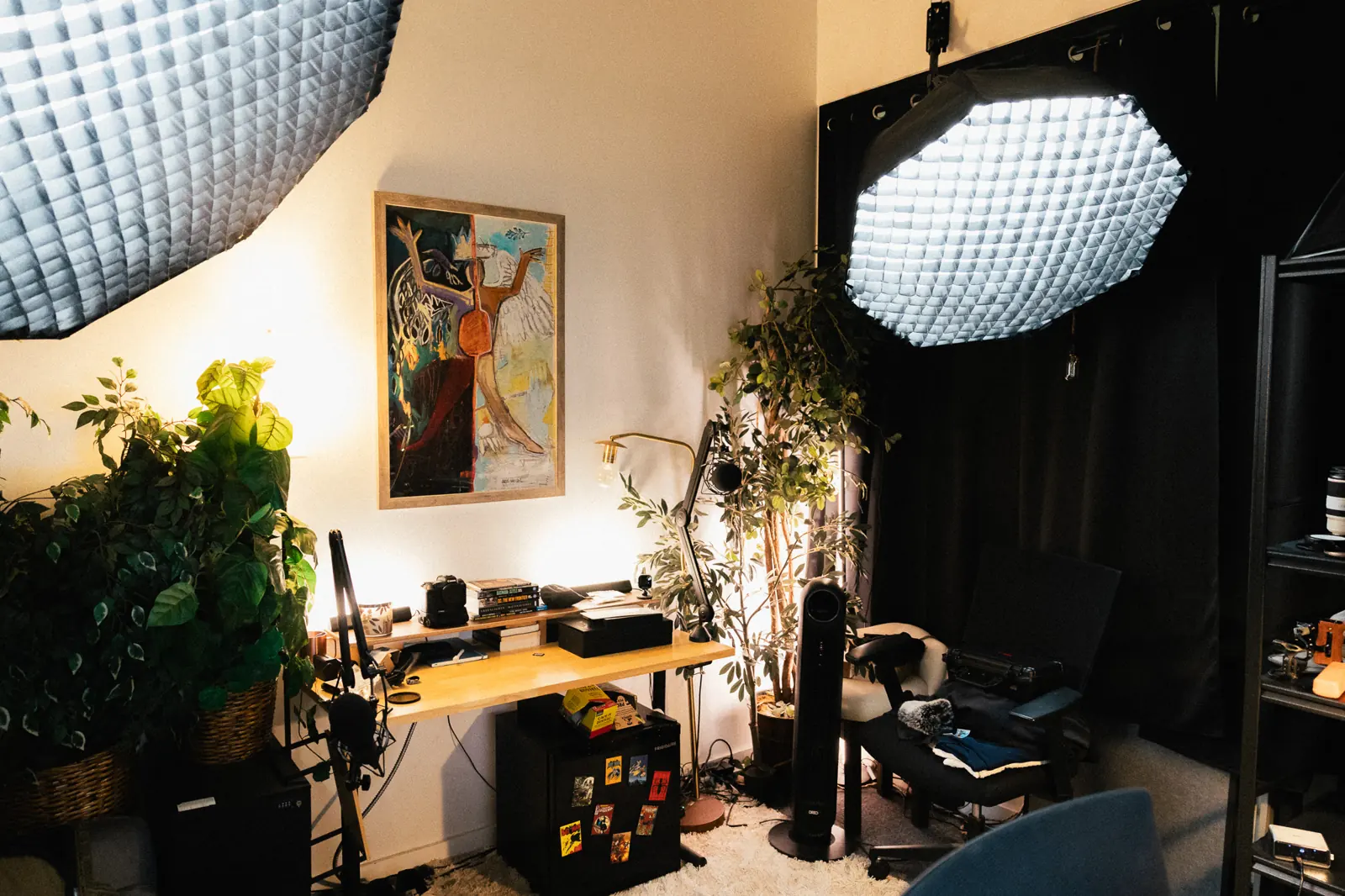
Already recording and only need the edit? Our podcast editing services cover a show you have already recorded, audio or video, one episode or every week.
Sources
The figures and advice above come from these pages, read on November 24, 2026. The Ruah details come from our own video podcast production and podcast editing pages.
- Edison Research at SSRS: The Infinite Dial 2026 (March 12, 2026)National survey of 2,050 people age 12 and older, January 2026. 58% consumed a podcast in the last month and 45% in the last week, both all-time highs; 68% of 35 to 54 year olds in the last month; 57% have both listened to and watched a podcast. 84% use YouTube monthly and 78% weekly. TikTok is the most-used social platform among ages 12 to 34 (29%); Facebook is used most often by 40% of social media users and is dominant among those 55 and older; X skews male and ages 35 to 54; Snapchat's audience is overwhelmingly under 35. Monthly online audio listening among those 55 and older rose from 52% in 2024 to 70% in 2026.
- YouTube Official Blog: Celebrating 1 billion monthly podcast users on YouTube (February 26, 2025)More than 1 billion monthly active viewers of podcast content, as of January 2025; YouTube is the most frequently used service for listening to podcasts in the U.S.
- YouTube Help: Deliver podcasts using an RSS feedFor audio-first shows. YouTube makes a static-image video from the show art for each episode and uploads new episodes automatically, notifying eligible subscribers. Episodes are only on YouTube and YouTube Music. Podcast content uploaded this way cannot contain advertisements, and branded content must be declared. Episodes first arrive as private videos. RSS delivery is available in select countries and regions.
- Spotify for Creators: Podcast marketing, 12 key strategies to promote and grow your podcastStart with the target audience; cover art and an engaging trailer; titles and descriptions with the words people search for; social clips, teasers, audiograms and behind-the-scenes posts; a newsletter; cross-promotion with creators who have similar audiences but are not direct competitors; promotional graphics for guests.
- Buffer: How to Promote Your New PodcastWritten around the launch of Buffer's own podcast. Publish 3 to 5 episodes when you first launch, and at least three on launch day; shareable media for guests on the day their episode goes live; highlighted parts of the transcript in the show notes; being a guest on other podcasts; an email list built before launch.
- Apple Podcasts for Creators: Artwork guideYou only need a Show Cover to publish on Apple Podcasts; episode art and the other placements are optional.
Frequently Asked Questions
How can I attract more listeners to my podcast?
Know exactly who the show is for, then put each episode where those people already spend time: a full version they can watch on YouTube, short clips on the social platform they use most, and an email to the people who already know you. Give every guest something easy to share on the day their episode goes out, and appear as a guest on shows with a similar audience.
Are podcasts still popular in 2026?
Yes. In The Infinite Dial 2026 from Edison Research at SSRS, a survey taken in January 2026, 58% of Americans age 12 and older had consumed a podcast in the last month and 45% in the last week, both all-time highs. 57% had both listened to and watched a podcast.
How many episodes should I have when I launch?
Buffer, writing about the launch of its own podcast, advises publishing 3 to 5 episodes when you first launch and puts the very minimum at three. Recording a few more before launch keeps the first weeks on schedule.
Should I put my podcast on YouTube?
If you can record video, yes. YouTube reported more than 1 billion monthly active viewers of podcast content as of January 2025 and calls itself the most frequently used service for listening to podcasts in the U.S. An audio-only show can still be delivered to YouTube by RSS feed, where each episode becomes a video with your show art as a still image.
Can I promote my podcast for free?
Most of the work in this guide costs time rather than money: clips cut from the episode, a show title and description written in the words your listeners use, an email to your list, guest swaps with other shows, and posts where your audience already is. What costs money is help with the editing and the clips, if you choose to hire it.
What should I post on social media for my podcast?
Short clips of the strongest moments, cut so they make sense on their own and shaped for each platform: vertical for TikTok, Reels and Shorts. Spotify's guide also suggests sneak peeks and teasers for new episodes, audiograms, and pictures from behind the scenes of recording.
Ruah Creative House is a purpose-driven creative studio at 30 Union St. Suite 7 in Elizabeth, New Jersey. Eric Muñoz Jr., our founder, was born and raised in Elizabeth, still lives here, and has served the city for years through its schools, nonprofits, churches, and Chamber of Commerce.
See how a show records, gets edited and goes out on our video podcast production page.