Content Marketing for Coaches: The One-Message System
Stop inventing disconnected posts. Begin with one substantial message, then shape it into a connected body of content that helps the right people understand what you teach and why it matters.
The short answer
Effective content marketing for a coach is not a daily posting contest. It is a message system: one audience question, one substantial source, several useful expressions, and one honest next step. Consistency comes from the system, not from forcing a fresh idea every morning.
Start with the message, not the platform
A platform can distribute an idea, but it cannot decide what is worth saying. Before planning reels, carousels, or episodes, name the person you are trying to help, the tension they feel, and the change your message can responsibly support.
For a Christian coach or ministry leader, clarity also includes conviction. Your content should sound like the work you actually do. It should not hide faith behind generic language, and it should not use faith as decoration around an unrelated promise. Make the relationship between belief, practice, and service understandable.
Write this sentence before you record
“I want to help [specific person] understand [one important truth] so they can [take one responsible next step].”
If the sentence contains three audiences, five lessons, and four outcomes, the source is not ready. Narrowing the promise protects the message and makes every later content decision easier.
Record one substantial source
Source material is where the nuance lives. Give yourself enough room to explain the tension, teach the idea, tell the story, and make the application before anything is shortened.
The source does not have to be polished. It does need to be yours: your voice, your framework, your experience, or a conversation you are authorized to share. Never trade consent, confidentiality, or accuracy for a better clip.
Shape the source into a weekly content body
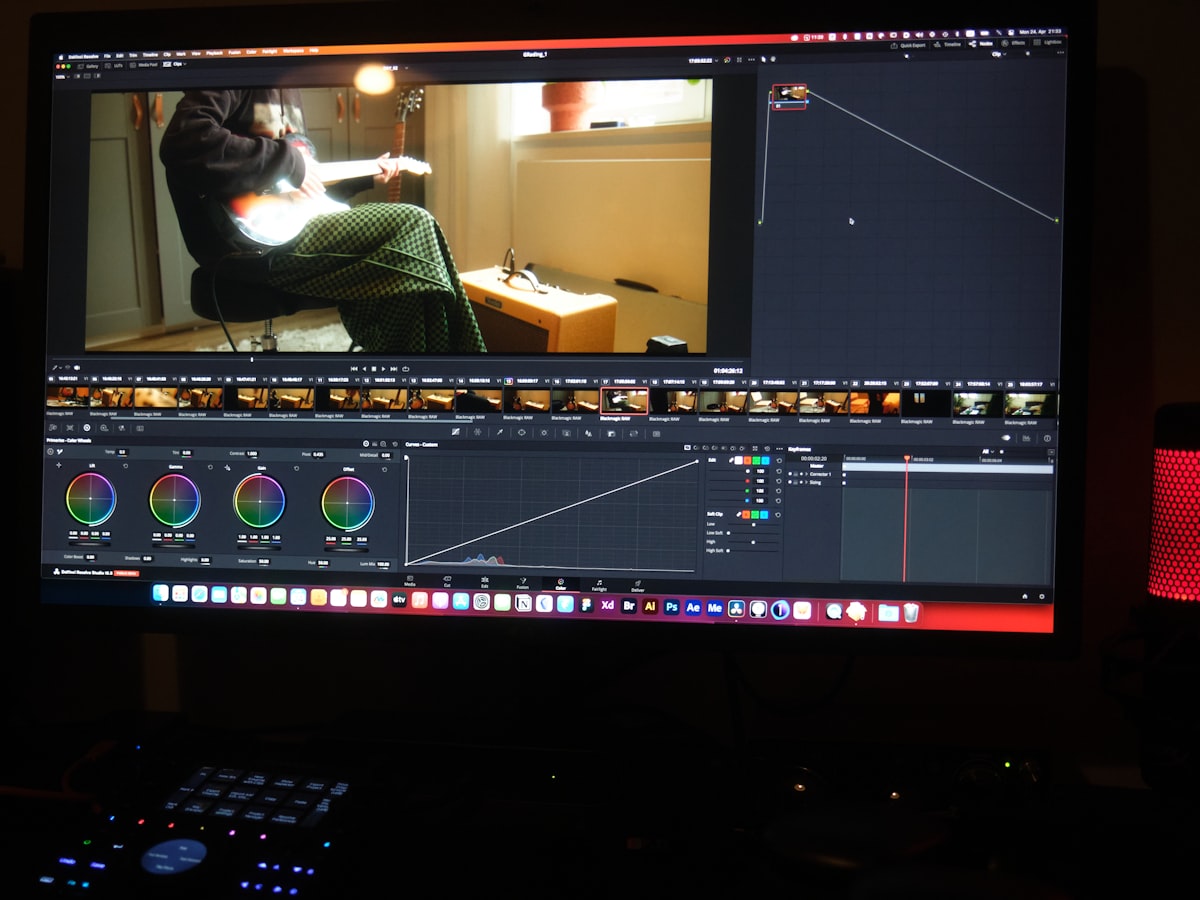
Repurposing works when each asset has a job and still belongs to the same idea. It fails when a long recording is chopped into contextless fragments simply because the clips are available.
One anchor
A video, podcast episode, or written guide that carries the complete idea and gives people somewhere deeper to go.
Three focused moments
Short videos or posts, each built around one tension, question, distinction, or practical step from the anchor.
One owned follow-up
An email that connects the message to the reader's real situation and points to the next useful action.
One invitation
A relevant next step: read, reply, register, book, or explore an offer. The invitation should match the message, not interrupt it.
A four-week message plan
Choose one audience theme for the month. Each week should move the same conversation forward from a different angle instead of restarting from zero.
Name the problem
What does your audience keep trying that treats the symptom but misses the real issue?
Teach the distinction
What two ideas do people confuse, and how does understanding the difference change their next decision?
Show the practice
What exercise, reflection, or sequence can someone use this week to make real progress?
Tell the honest story
What lived experience, lesson, or turning point gives the message context without turning it into performance?
Give each platform one job
You do not need to be everywhere. Build a simple path from discovery to depth to relationship to decision, then choose the few surfaces that can perform those jobs well.
Discovery
Short video, search-led article, guest appearance
Help the right person recognize the question you can address.
Depth
YouTube, podcast, long-form article, teaching library
Let people experience the substance, tone, and shape of your thinking.
Relationship
Email, community, direct reply
Create a dependable path for continued attention that you can steward.
Decision
Offer page, application, booking page, event registration
Make the next step clear when someone is ready, without manufacturing urgency.
Keep message ownership
Your partner can help organize, edit, version, package, and—in an agreed scope—publish. You remain responsible for the message, the stories you have permission to share, and the final claims made in your name.
A healthy partnership should make your voice clearer, not replace it with generic language. Approval should be deliberate, and roles should be documented before the cadence begins.
Common system failures
- Starting with platform trends instead of an audience question
- Publishing fragments that never lead to a complete idea
- Trying to sound universal and sanding away the convictions that make the work distinct
- Treating every post as a sales pitch
- Delegating message ownership before the message is clear
- Measuring only reach while ignoring replies, conversations, and qualified next steps
Content marketing for coaches: FAQ
What is the best content marketing strategy for a coach?
Start with one clear audience problem and one substantial piece of source material each week or month. Shape that source into a primary long-form asset, several focused short-form ideas, an email, and a next step that all reinforce the same message.
How often should a coach create content?
Choose a cadence you can sustain and keep the source session separate from publishing. One substantial weekly or biweekly recording can supply multiple assets without requiring a new idea every day.
Should a coach post on every platform?
No. Choose one discovery channel, one trust-building home for deeper content, and one owned follow-up channel such as email. Add platforms only when the workflow and audience evidence support them.
What should I keep, and what can a content partner handle?
Keep message ownership, lived experience, pastoral or professional responsibility, and final approval. A partner can handle repeatable production work such as footage organization, editing, captions, covers, versioning, and publishing when those responsibilities are explicitly included in the scope.
Bring the full message. Build a connected body of content.
Full Breath is Ruah's content path for ministry leaders, Christian coaches, and speakers. Start with a fit conversation about your source material, audience, cadence, and the parts of the workflow that need support.